
Yes: South Korea's own critical minerals strategy states a target of cutting import concentration from a dominant supplier to around 50 percent by 2030, with antimony named as one of ten minerals treated as strategically vital. That is a stated diversification goal, not our own inference, and a new, licensed, non-incumbent antimony source is a direct answer to it.
Investor market
Mining investment for South Korea investors
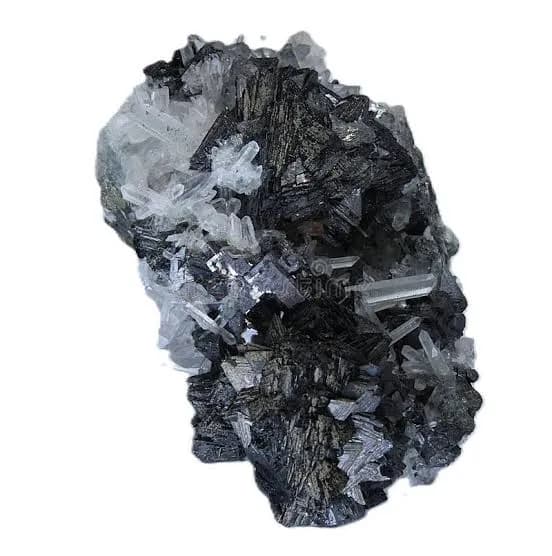
South Korea's Ministry of Trade, Industry and Energy set an explicit target in its critical minerals strategy: cut dependence on critical minerals from any single dominant supplier from around 80 percent to roughly 50 percent by 2030, with antimony named among the ten minerals treated as strategically vital for semiconductor and battery production. Korea Zinc alone smelts roughly 3,500 tonnes of antimony ingot a year domestically, feedstock that has to come from somewhere outside Korea's own ground.
Why South Korea
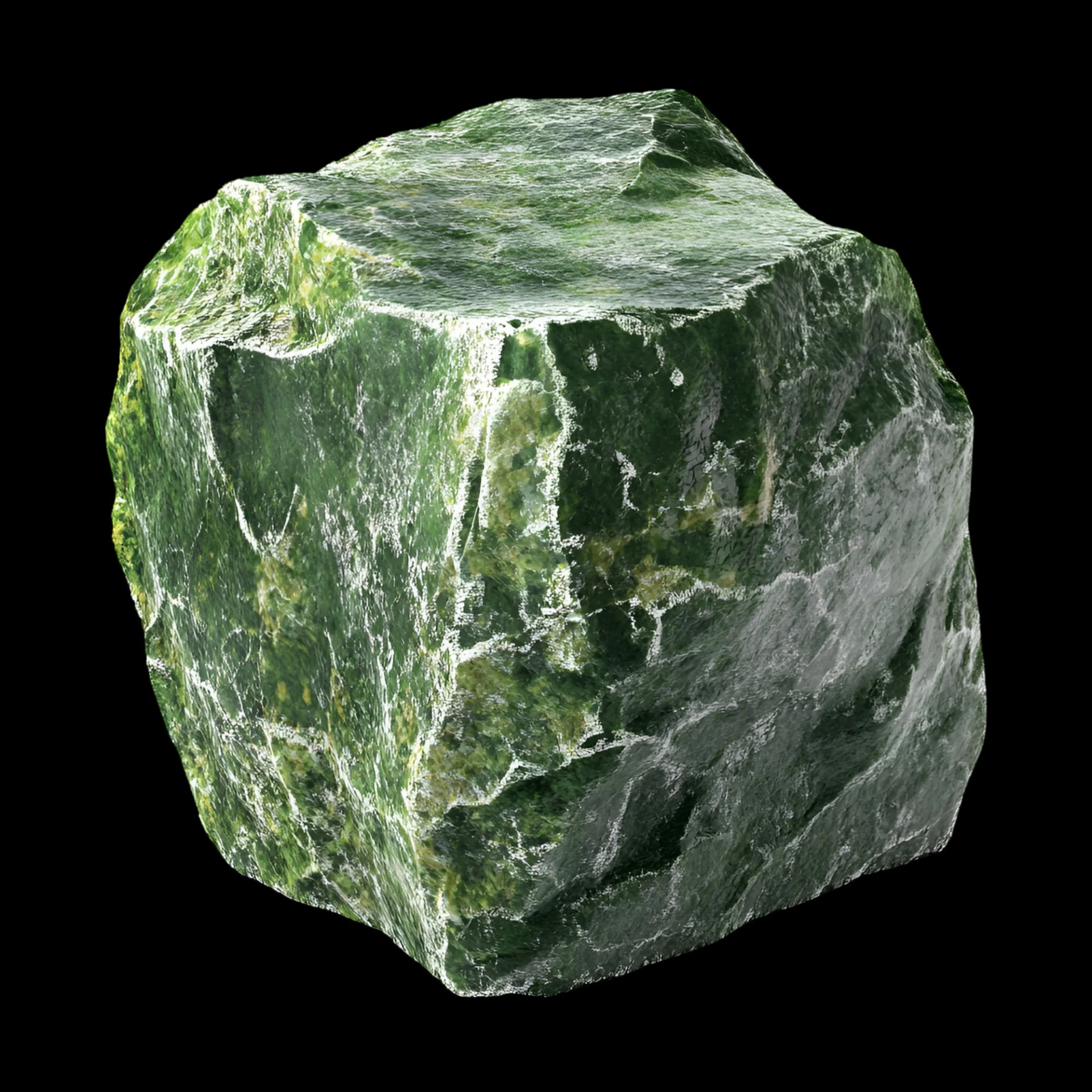
That is a concrete, government-dated reason to be talking to an antimony licence holder rather than a general pitch about Pakistan's mineral wealth. Separately, and on a different commodity entirely, South Korea's own gemstone market is real and growing: estimated at $1.1 billion in 2026, projected to reach $2.1 billion by 2036. Our nephrite jade from Hilal Abad, recovered in white, apple-green and deep green, sits inside that second market independently of the antimony story. The two buyers in this country are unlikely to be the same desk, and we would expect to run those conversations separately rather than as one pitch.
Relevant commodities
Investor FAQ
South Korea: investor FAQ
Questions that come up specifically from South Korea counterparties.
Korea Zinc is the named domestic example: it smelts antimony ingot at scale within Korea, some of which it has shipped onward internationally. We are not claiming a relationship with any named company here, only pointing at the kind of counterparty this supply chain actually has, so an enquiry can be directed at the right desk rather than a general trading contact.
No, and we would not present them as one pitch. Antimony speaks to industrial and defence-linked supply chain policy; nephrite speaks to Korea's separate, sizeable gemstone and jewellery market. Physical nephrite samples from our Hilal Abad concession are available for inspection ahead of any commitment, the same as for any other buyer.