
PlacerGoldMininginPakistanandGilgitBaltistan:HowItWorksandWheretheGoldIs
Where placer gold is found in Pakistan and Gilgit Baltistan, how it is mined today, why most of it is still done by hand, and what a modern operation looks like.

Stand beside almost any river in Gilgit Baltistan for long enough and you will see someone washing sand for gold. It is one of the oldest jobs in the Karakoram. It is also, commercially, one of the least developed. Here is what placer gold mining in Pakistan actually involves, where the gold is, and what we are doing with our own 26 kilometre licence on the Skardu road.
What is placer gold?
Placer gold is gold that erosion has already broken out of its host rock and water has carried downstream. Gold is heavy, so it settles wherever the current slows: inside bends, behind boulders, and in the black sand layers on the riverbed. You do not need to drill or crush rock to reach it. You need to move and wash a great deal of sediment and catch the heavy fraction.
Where is placer gold found in Pakistan?
Mostly in the north. The Gilgit Baltistan mines department says almost every river and stream in the region carries placer gold, with the Indus and Gilgit rivers and their tributaries the best known. Bagrot valley near Gilgit and Shimshal in upper Hunza have both been the subject of published geological research on their placer deposits. Further south, Khyber Pakhtunkhwa has placer occurrences in valleys such as Kund, Alladher and Beka along the Indus suture zone.
How is placer gold mined in Gilgit Baltistan today?
Mostly by hand. Families work the riverbanks with pans, sluices and simple tools, often in the season when water levels drop. Abdul Bashir, a chief geologist at Koh-e-Daleel Minerals, told The Nation in 2024 that the work still runs on conventional panning and rudimentary tools, with mercury used generously to pull the gold out of the concentrate. That mercury ends up in the rivers, which is a real problem for everyone living downstream.
Why hasn't placer gold in Pakistan been developed properly?
Three reasons come up again and again. There has never been systematic exploration, so nobody can say with confidence how much gold a given stretch of river holds, and the same 2024 report said the exact potential has never been identified for lack of modern exploration methods. There is very little mechanisation, so recovery rates stay low. And much of the work happens outside formal licensing, which means no one invests in equipment and no one is accountable for the mercury.
How much gold can a placer operation recover?
Anyone who gives you a confident number without testing that exact stretch of river is guessing. Grade changes from one bend to the next. The honest method is bulk sampling: dig and process a measured volume from several points and see what it actually yields. That is what we do before we talk tonnage with anyone, and it is why we share recovery data after an NDA rather than publishing a headline figure.
What does a modern placer gold operation look like?
Excavators or small dredges to move sediment, trommels to screen out boulders, and sluices and jigs to concentrate the heavy fraction, with gold then separated by gravity rather than mercury. It remains a fairly low-capital business compared with hard-rock mining, and it reaches production much faster. The main costs are fuel, equipment, and getting both to site, which is why access is the first thing to check on any placer ground.
Where is Durr & Zircon's placer gold licence?
Our placer gold licence covers 26 kilometres of riverbed in Skardu, with gold carried in black sand, and it runs along the Skardu road. It is one of our four producing blocks and is held by Durr Mines and Minerals. Being on the road means equipment, fuel and material move by truck, which removes the single largest cost in remote Karakoram work. Details are on the Skardu placer gold concession page, and supply terms are on the placer gold page.
Is placer gold mining legal in Pakistan?
Yes, under licence. In Gilgit Baltistan mineral titles are granted by the Mines and Minerals Department under the 2016 concession rules, and only to locally incorporated companies. A foreign investor comes in through a joint venture or farm-in with a licence holder. The stages are explained in our licensing guide.
How do I invest in placer gold in Pakistan?
You can buy gold concentrate or dore from us, quoted FOB Karachi or CIF with assay available, or you can take a joint venture position in the operation itself. Start at the investor desk and tell us which of the two you have in mind.
Continue reading
More from the field
 Durr & Zircon Mines Consortium
What the $500 Million Pakistan-US Minerals Deal Means for Gilgit Baltistan
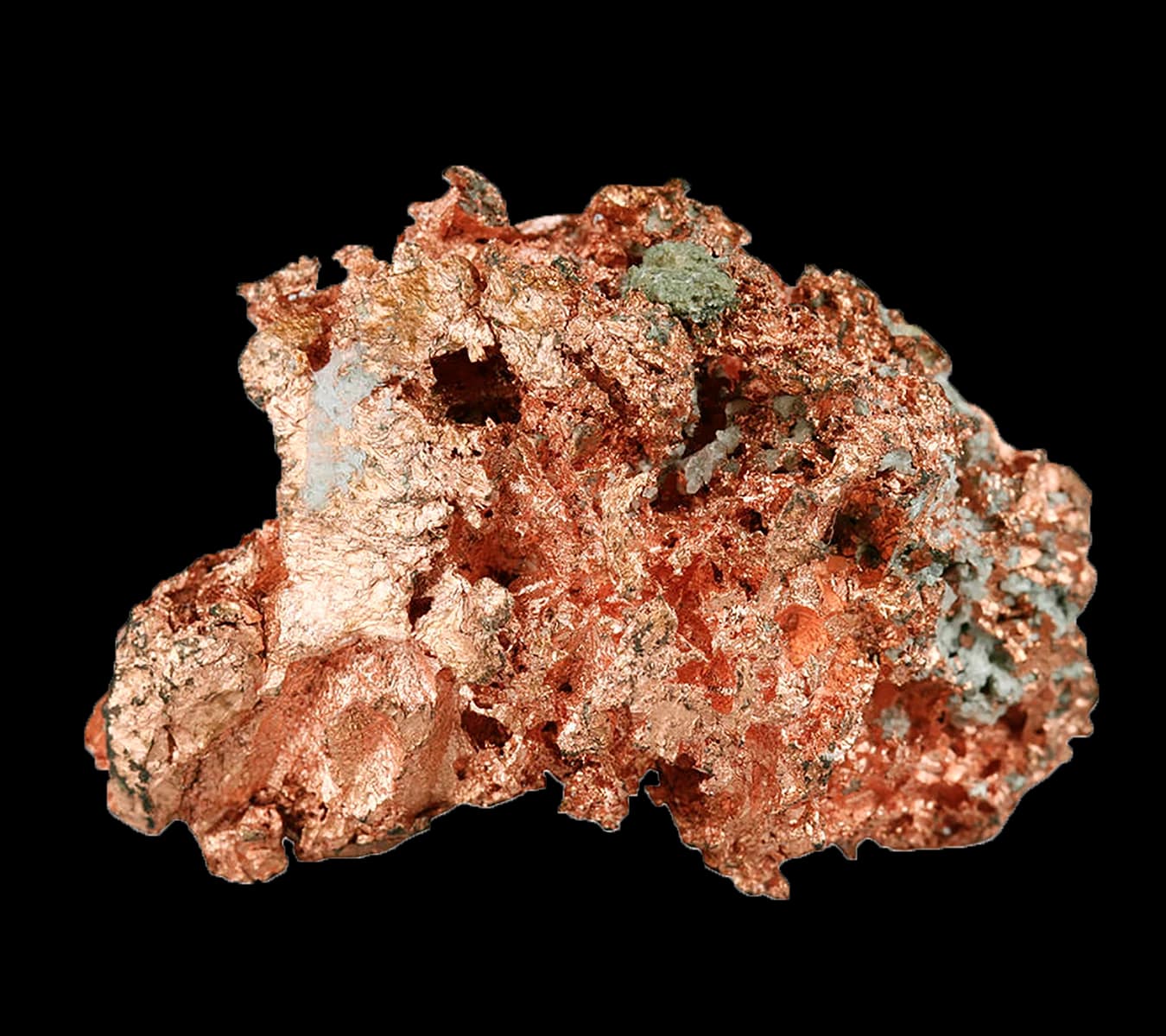
US Strategic Metals and Pakistan signed a framework in September 2025 covering exploration through refining. The first shipment, in October 2025, was antimony, copper concentrate and rare earths, the same commodities held under licence across our own concessions.
Read insight→ Durr & Zircon Mines Consortium
Saudi Arabia's Reko Diq Stake and What It Signals for Northern Pakistan's Copper-Gold Belt
Saudi Arabia is pursuing a 15% stake in Pakistan's Reko Diq copper-gold project, backed by a reported $540 million commitment. Our Shigar and Kharmang concessions carry the same commodity pairing, at a much earlier stage.
Read insight→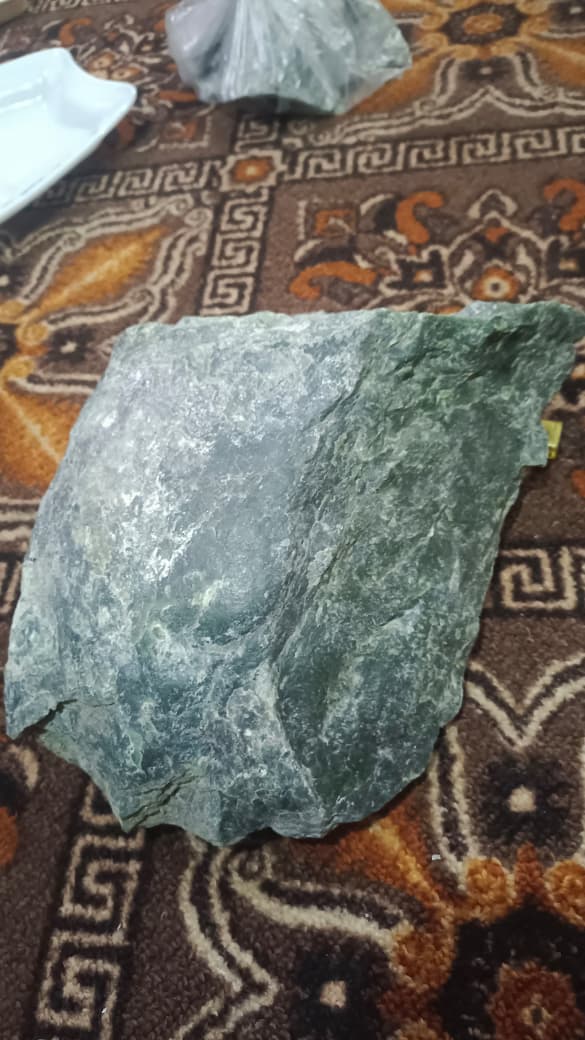
The Green Rock at Kharmang: Serpentine, Jade, and a Mineral Mars Rovers Look For
Serpentine turns up across both of our Kharmang licences, Hilal Abad and Mahdi Abad, alongside nephrite jade. It forms through a reaction that makes hydrogen out of rock and water, which is why NASA instruments have spent years hunting for it on Mars.
Read insight→