
RareEarthMetalsinPakistanandGilgitBaltistan:WhatIsRealandWhatIsHype
Where rare earth elements have actually been found in Pakistan, what Gilgit Baltistan does and does not have, and what the 2025 US shipment really tells investors.
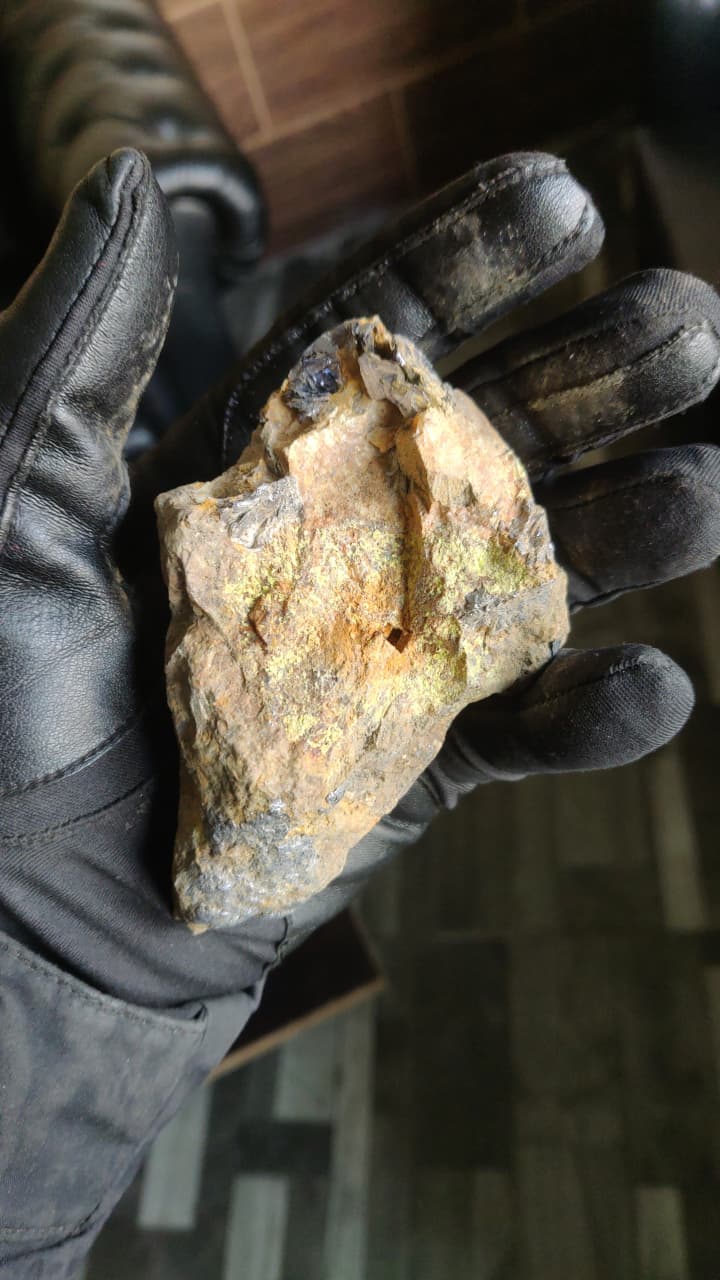
Rare earths are the most searched mineral topic in Pakistan right now, and the most exaggerated. Trillion dollar figures get repeated without a source in sight. We do not hold a rare earth licence ourselves, which puts us in a reasonable position to give you a straight picture: where they have been found, what is still unproven, and which related minerals in Gilgit Baltistan are genuinely in play.
What are rare earth metals?
Rare earth elements are a group of 17 metals, including neodymium, praseodymium, lanthanum and cerium. They go into the permanent magnets inside electric vehicle motors and wind turbines, into electronics, and into defence systems. They are not especially rare in the ground. What is rare is finding them concentrated enough to mine, and then separating them, which is chemically difficult and dominated by China.
Does Pakistan have rare earth deposits?
Pakistan has rare earth occurrences, which is not the same thing as proven deposits. Reporting in The Friday Times in December 2025 listed the main known settings: granitic and pegmatite complexes in Chagai in Balochistan, rare earth bearing granites in Dir, Swat and Kohistan, and coastal placer sands in Sindh and Balochistan. None of these yet has an internationally certified reserve estimate. CSIS made the wider point in April 2026 that more than 95 percent of Pakistan's mineral terrain remains underexplored.
Has Pakistan actually exported rare earths?
Yes, and it was a meaningful first even if the volume was small. In October 2025 the first shipment under the $500 million partnership between Pakistan and US Strategic Metals included rare earth elements, among them neodymium and praseodymium, alongside antimony and copper concentrate. It was more a statement of intent than a volume play, but it moved Pakistan from talking about rare earths to shipping them. The deal is covered on our United States market page.
Are there rare earth metals in Gilgit Baltistan?
This is where we want to be careful. The best documented rare earth settings in Pakistan are in Balochistan, northern Khyber Pakhtunkhwa and the coast. The north has the kind of geology where rare earths can occur, including granites and pegmatites, and it borders Kohistan, which is on the list. But we have not seen published evidence of a defined rare earth deposit in Gilgit Baltistan, and we would be suspicious of anyone claiming one without an assay to show you. None of our ten blocks is a rare earth licence.
What critical minerals does Gilgit Baltistan have instead?
Quite a few, and they sit on the same government and buyer lists as rare earths. Antimony is the standout: the mines department lists grades of 50.4 to 81.5 percent at Darkot, Chupurson, Kharmang and Astak, and antimony travelled in the same October 2025 shipment to the US. Copper is on most critical mineral lists now because of electrification. Molybdenum occurs in Hunza, Skardu, Chilas and Astore, and lithium indications turn up in several places, including two of our blocks. If your mandate is critical minerals rather than rare earths specifically, the north is worth a serious look.
Can foreigners invest in rare earth mining in Pakistan?
Through the same routes as any other mineral: a joint venture or farm-in with a locally incorporated licence holder, or a Pakistani subsidiary of your own. Two practical issues are particular to rare earths. There is no domestic separation capacity, as The Friday Times noted, so anything mined leaves the country as concentrate. And federal and provincial rules are still being harmonised under the 2025 framework, so check which regime applies to the ground you are looking at before you commit.
How can I tell a real rare earth opportunity from hype?
Ask for the assay, the laboratory that ran it, and exactly which elements were measured. Ask whether a figure is a grade in the rock or a value per tonne. Ask whether anyone has done metallurgical testing, because a rare earth deposit you cannot separate economically is just an interesting rock. And be very wary of any valuation in the trillions. Pakistan's own headline figure for all of its minerals combined is $8 trillion, and CSIS treats even that as aspirational.
Where should I start if I want critical minerals exposure in Pakistan?
If you want rare earths specifically, the documented ground is in Balochistan and Khyber Pakhtunkhwa, and those are the licence holders to talk to. If critical minerals more broadly is the goal, our antimony and copper supply and our concessions in Gilgit Baltistan are a reasonable place to begin. The investor desk is the way in.
Continue reading
More from the field
 Durr & Zircon Mines Consortium
What the $500 Million Pakistan-US Minerals Deal Means for Gilgit Baltistan
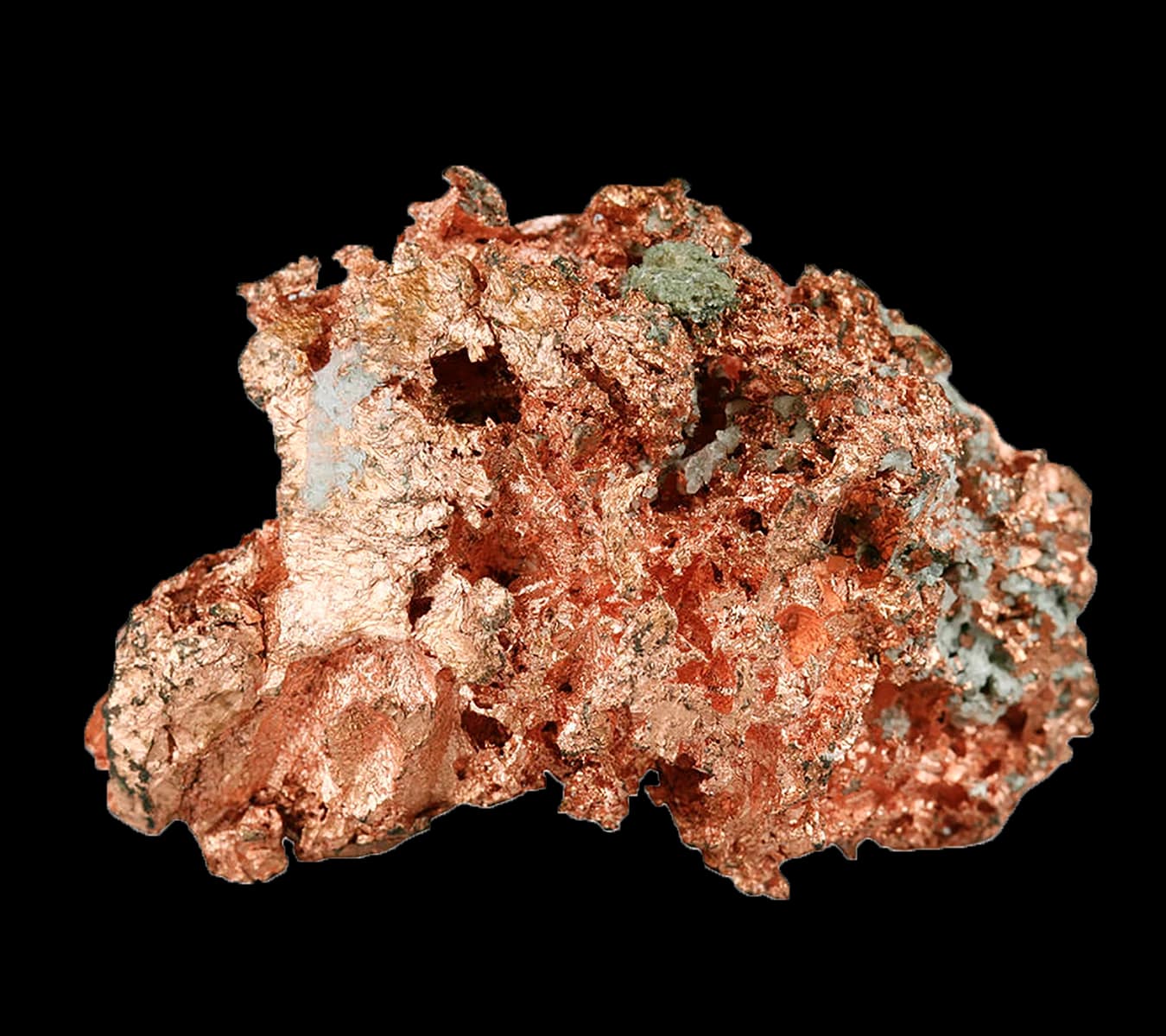
US Strategic Metals and Pakistan signed a framework in September 2025 covering exploration through refining. The first shipment, in October 2025, was antimony, copper concentrate and rare earths, the same commodities held under licence across our own concessions.
Read insight→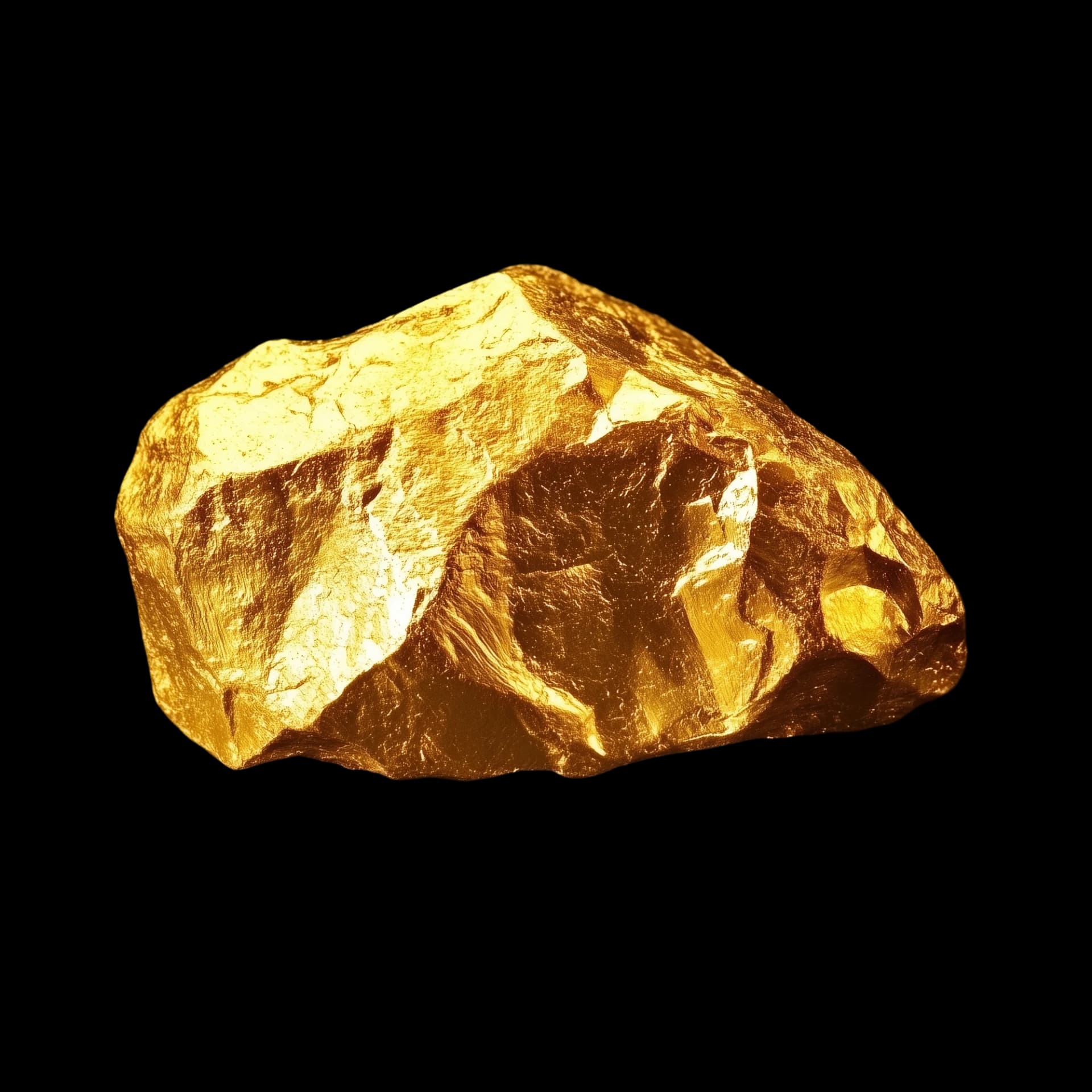 Durr & Zircon Mines Consortium
Saudi Arabia's Reko Diq Stake and What It Signals for Northern Pakistan's Copper-Gold Belt
Saudi Arabia is pursuing a 15% stake in Pakistan's Reko Diq copper-gold project, backed by a reported $540 million commitment. Our Shigar and Kharmang concessions carry the same commodity pairing, at a much earlier stage.
Read insight→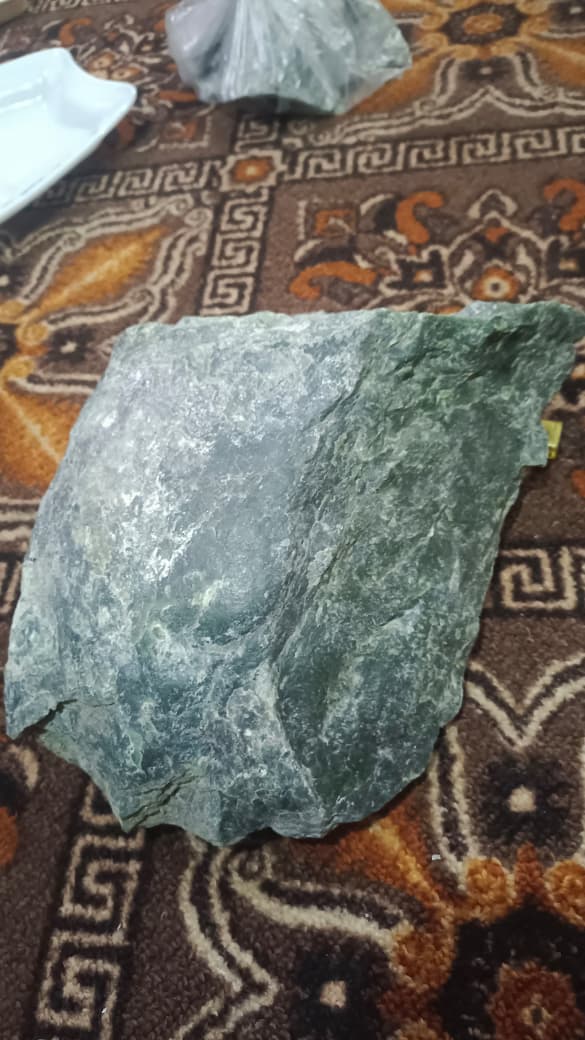
The Green Rock at Kharmang: Serpentine, Jade, and a Mineral Mars Rovers Look For
Serpentine turns up across both of our Kharmang licences, Hilal Abad and Mahdi Abad, alongside nephrite jade. It forms through a reaction that makes hydrogen out of rock and water, which is why NASA instruments have spent years hunting for it on Mars.
Read insight→