DiscovertheMinesofGilgitBaltistan,Pakistan:EveryMajorMineralandWhereItIsFound
Copper, gold, silver, iron, nephrite, antimony and more: where each is found in Gilgit Baltistan, how it compares with the rest of Pakistan, and which blocks hold it.
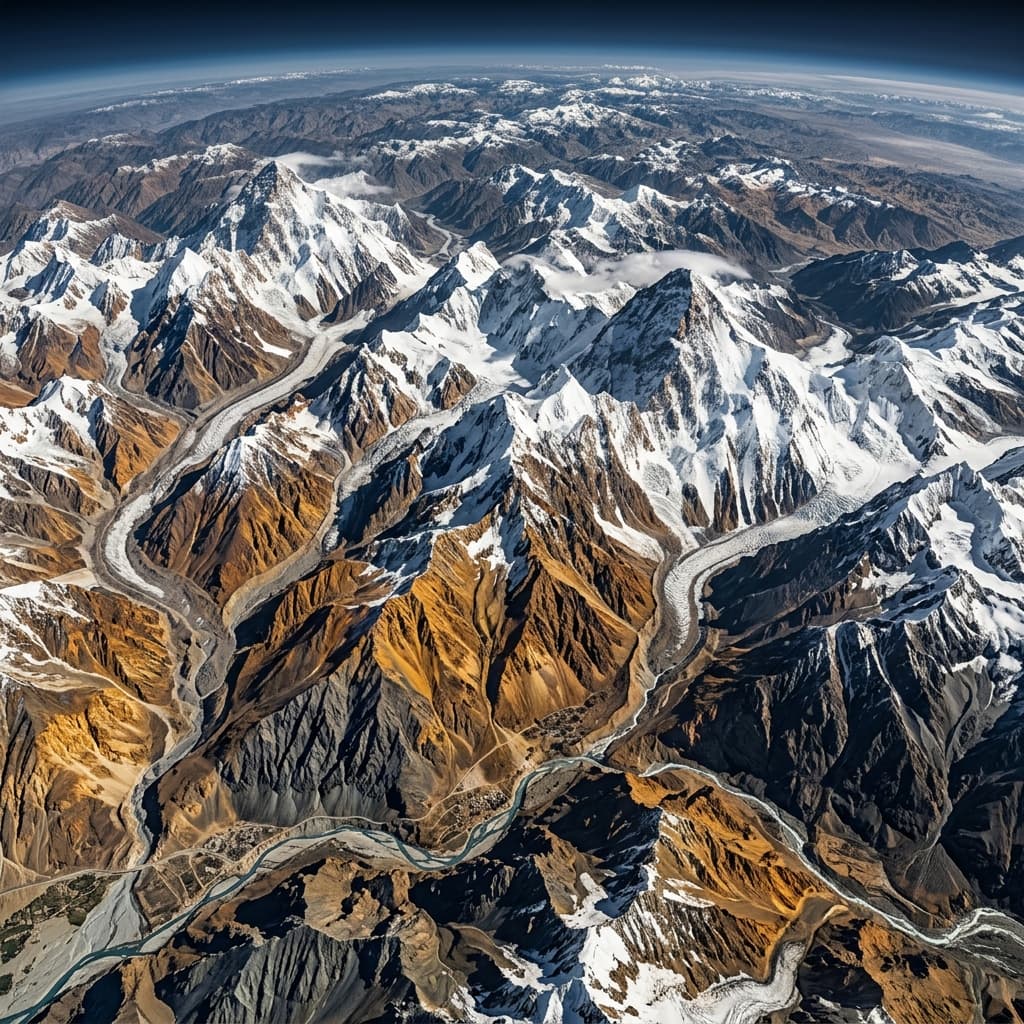
If you are trying to work out what is actually in the ground in Gilgit Baltistan, most sources give you either one mineral or a long list with no locations. This is the version we wish we had when we started: each mineral, where it turns up in the region, how it fits into Pakistan's wider picture, and which of our own licensed blocks carry it. The regional figures come from the Gilgit Baltistan Secretary of Minerals, Shahzeb Sheikh, speaking in February 2026.
What minerals are found in Gilgit Baltistan?
The short list is copper, gold, silver, iron, lead, antimony, molybdenum, nephrite jade, serpentine, marble, granite, quartz and ruby, with a long tail of other gemstones and lithium indications in places. The region has more than 43,000 square kilometres of mining area and much of it is unexplored, which is why new occurrences still turn up every season.
Where is copper found in Gilgit Baltistan and Pakistan?
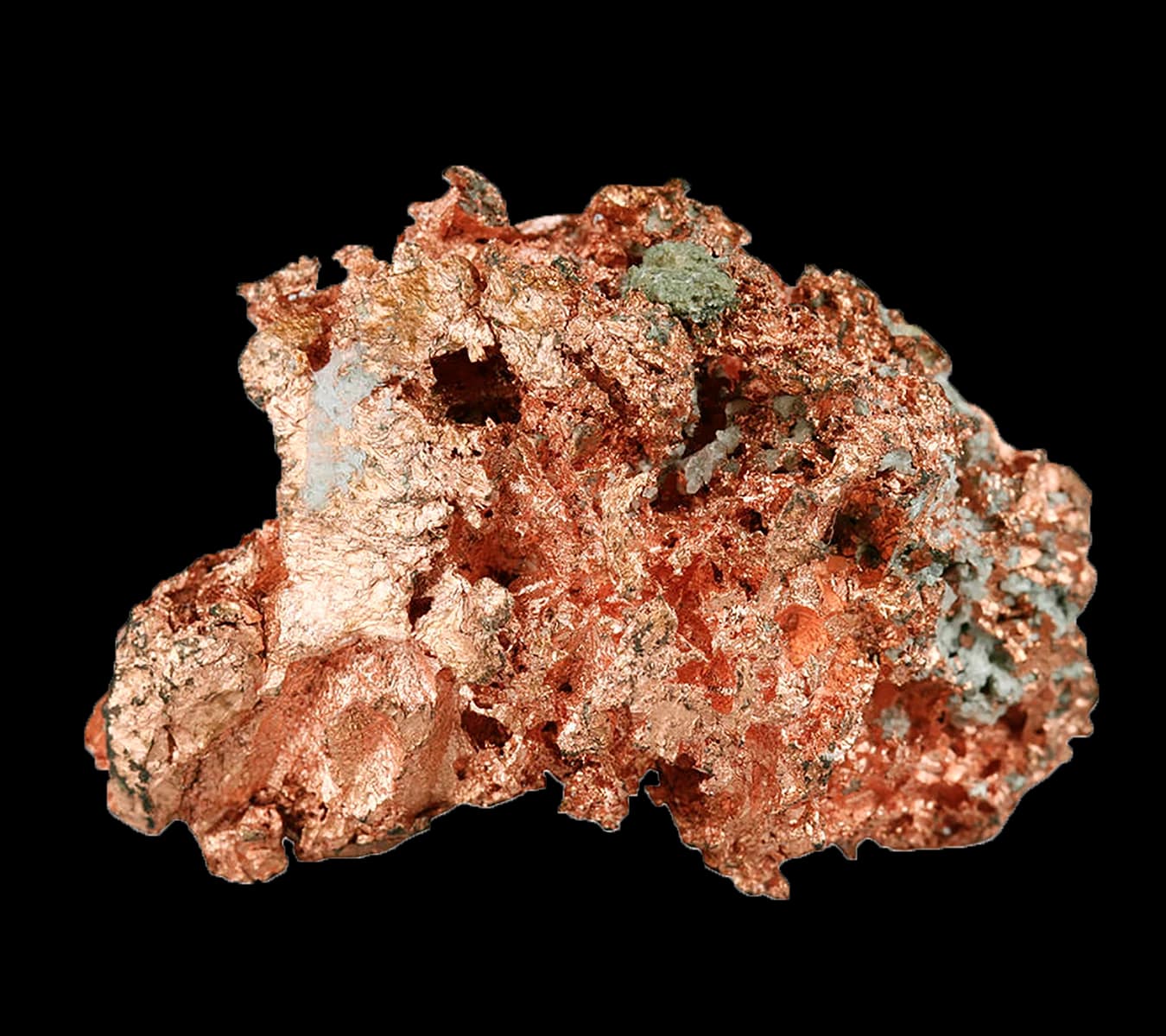
In Gilgit Baltistan the mines department lists copper in at least nine valleys: Ishkoman, Teru, Chalt, Yasin, Skardu, Shigar, Nagar, Diamer and Misgar, at grades between 0.2 and 74 percent. The top of that range is individual samples rather than a deposit average. Pakistan's large copper projects are further south, at Reko Diq and Saindak in the Chagai district of Balochistan, and that is where most national copper headlines come from. The north is earlier stage and more spread out. On our registry, copper shows up at Hilal Abad, Mahdi Abad, Bagicha (where the vein is exposed at surface), Jutial Nala, Askoli in Shigar, Gultari and Gupis. Supply terms are on the copper page.
Is there gold in Gilgit Baltistan?
Yes, in two very different forms. Placer gold sits in river sand, and the mines department says almost every river and stream in the region carries some. Hard-rock gold sits in ore, usually alongside copper. Placer is the quick one: washing and concentration instead of drilling and milling. Hard rock takes longer and can be much larger. Our placer gold licence covers 26 kilometres of riverbed along the Skardu road and is producing, while our hard-rock gold at Askoli and Gultari is at exploration stage and covered on the gold page. There is more in our piece on placer gold mining in Pakistan.
Where is silver found in Gilgit Baltistan?
Silver here mostly travels with other metals rather than forming deposits of its own. It shows up alongside copper and lead in polymetallic ground. On our registry that means Jutial Nala near Gilgit, where it sits with copper veins and lead, and the Mahdi Abad block in Kharmang. For a buyer, silver in this region is usually a credit inside a lead or copper concentrate, not a separate product.
Is there iron ore in Gilgit Baltistan?
Yes. The mines department reports iron at between 1 and 60.9 percent in Ishkoman, Sadpara, Chalt and Kharmang. Iron is a bulk commodity, so what makes or breaks it is transport cost, and that is where road access decides almost everything. Our Mahdi Abad block in Kharmang carries iron alongside copper, silver and serpentine.
Where does nephrite jade come from in Pakistan?
Gilgit Baltistan is the main source, with nephrite recorded in Ghizer and Kharmang among other places. Nephrite tends to form beside serpentinite, so where you find serpentine, nephrite becomes a sensible thing to look for. That is exactly how it went at our Hilal Abad block, where premium nephrite is now the main target. People who have handled nephrite for more than two decades have signed off on the Hilal Abad samples, and they have passed with buyers in China too. We have also recovered first nephrite samples at Mahdi Abad. Terms are on the nephrite jade page, and the geology is in our story on serpentine and jade at Kharmang.
Where is antimony found in Pakistan?
Gilgit Baltistan holds some of the highest-grade antimony in the country. The mines department lists showings of 50.4 to 81.5 percent at Darkot, Chupurson, Kharmang and Astak. Antimony is a critical mineral used in flame retardants, batteries and semiconductors, and it was part of the first shipment under the Pakistan and US Strategic Metals partnership in October 2025. Our antimony sits at Gultari, Gojal in Hunza and Ishkoman. Terms are on the antimony page.
What about lead, molybdenum and lithium?
Lead is recorded at Tangir, Kargah, Shigar and Skardu, and our blocks carry it at Jutial Nala, Gultari and Askoli in Shigar. Molybdenum occurs in Hunza, Skardu, Chilas and Astore, and we have indications at Gojal and Gultari. Lithium is the one people ask about most and the one we are most careful with. We have indications at Bagicha and Askoli, not a defined resource, and we will not describe it as more than that until the assays say otherwise.
Which marble, granite and gemstones come from Gilgit Baltistan?
Dimension stone is one of the region's steadier businesses. White marble runs along a belt through Ghizer, and granite is quarried for construction and cladding. Our Gupis, Ishkoman and Bagicha blocks carry granite and marble, including snow white marble at Bagicha. Gemstones are the region's oldest trade, and at Bagicha ruby comes out of the marble alongside quartz. Stone supply is covered on the granite and marble page.
What is serpentine and why does it matter?
Serpentine is a green rock that forms when water reacts with deep, olivine-rich rock, and the reaction gives off hydrogen. That is why instruments on Mars have been used to look for it. For a miner it matters for a more practical reason: it points toward nephrite. We have found it at both Hilal Abad and Mahdi Abad in Kharmang.
Who holds the mining licences in Gilgit Baltistan?
The Mines and Minerals Department keeps a public register of title holders, with close to 500 entries across the region. Our own ten blocks are held by three registered companies: Durr Mines and Minerals, Zircon Mines, and Earth Lux Mines & Minerals. Every block, with its stage, area and holder, is on the concessions page, and our guide to mining companies in Gilgit Baltistan explains how licences work here.
Is Gilgit Baltistan better than the rest of Pakistan for mining?
It depends on what you want. Balochistan has the giants, Reko Diq and Saindak, and also the security problems that dominate the headlines. Khyber Pakhtunkhwa has gemstones, some placer gold and industrial minerals. Gilgit Baltistan has the widest spread of metals and stone in a single region, the least explored ground, and a security picture that is generally calmer than Balochistan's, though not risk free. For an investor who wants early access to underexplored ground rather than a small stake in a giant project, the north usually fits better. Our piece on investing in Gilgit Baltistan goes through the practical questions.
Continue reading
More from the field
 Durr & Zircon Mines Consortium
What the $500 Million Pakistan-US Minerals Deal Means for Gilgit Baltistan
US Strategic Metals and Pakistan signed a framework in September 2025 covering exploration through refining. The first shipment, in October 2025, was antimony, copper concentrate and rare earths, the same commodities held under licence across our own concessions.
Read insight→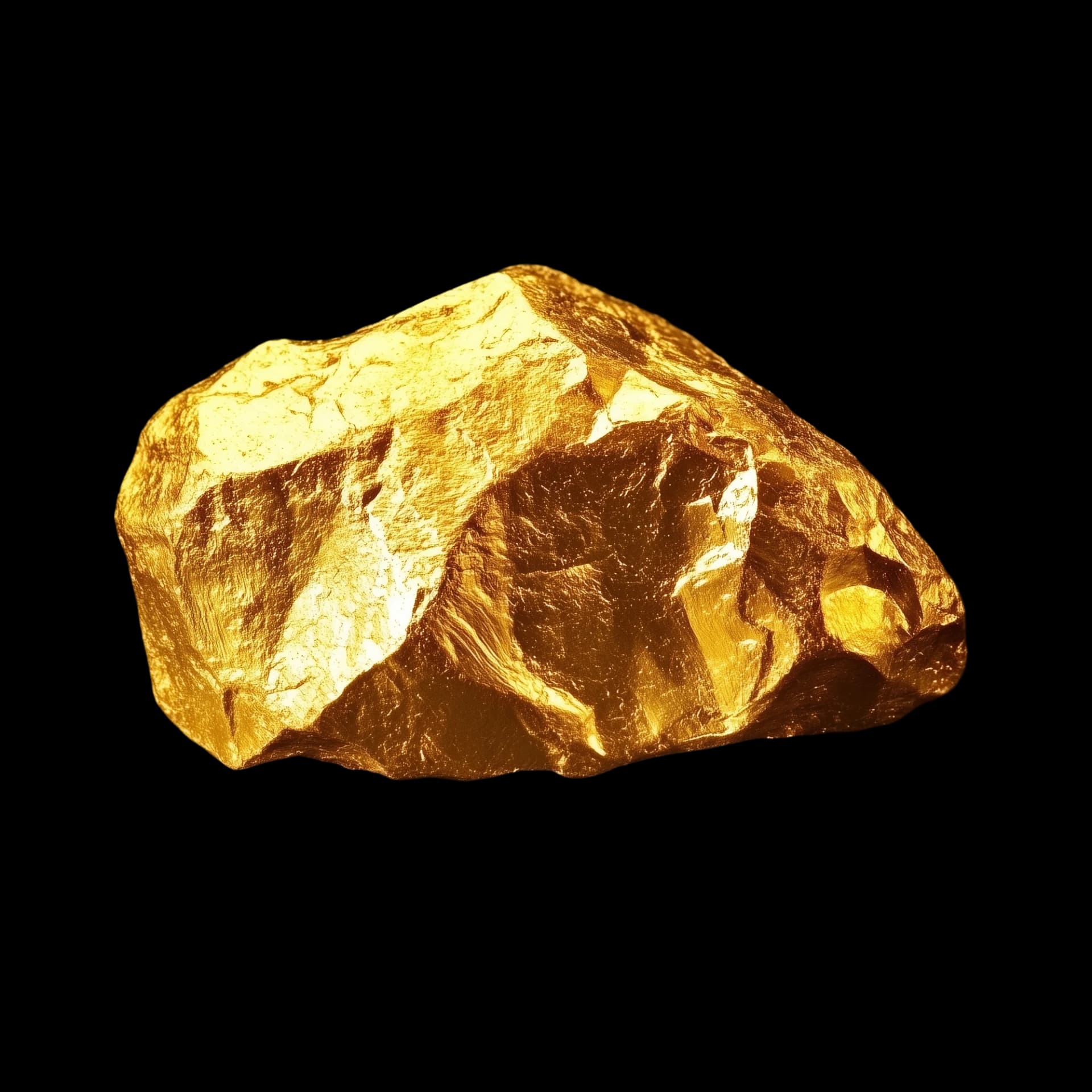 Durr & Zircon Mines Consortium
Saudi Arabia's Reko Diq Stake and What It Signals for Northern Pakistan's Copper-Gold Belt
Saudi Arabia is pursuing a 15% stake in Pakistan's Reko Diq copper-gold project, backed by a reported $540 million commitment. Our Shigar and Kharmang concessions carry the same commodity pairing, at a much earlier stage.
Read insight→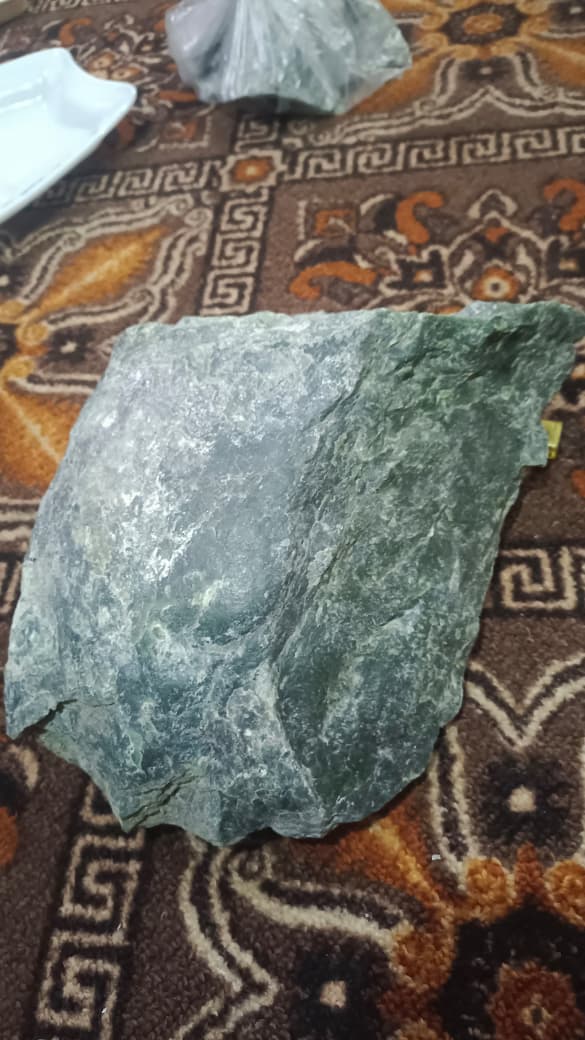
The Green Rock at Kharmang: Serpentine, Jade, and a Mineral Mars Rovers Look For
Serpentine turns up across both of our Kharmang licences, Hilal Abad and Mahdi Abad, alongside nephrite jade. It forms through a reaction that makes hydrogen out of rock and water, which is why NASA instruments have spent years hunting for it on Mars.
Read insight→